
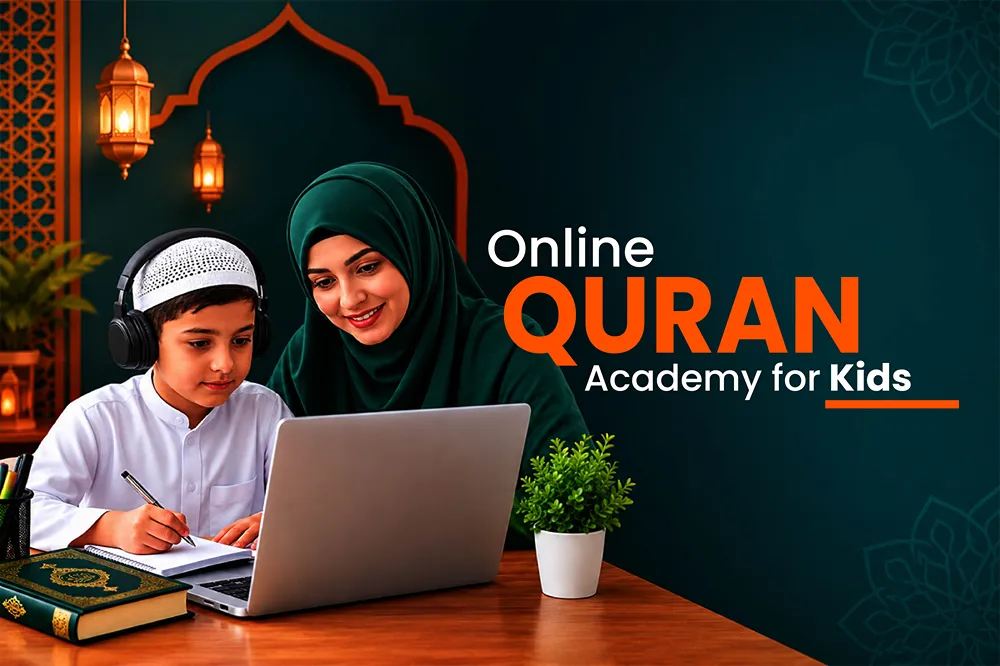
Choosing the right place for your child to learn the Quran is a significant decision. It involves more than just finding a teacher or a class; it requires selecting a program that establishes a strong foundation, sustains the child’s interest, and employs patience throughout the learning process. With the multitude of online options available today, it can be difficult to determine which Quran academy is truly worth your time and money.
This guide outlines the factors to consider when selecting an online Quran academy for children, details what constitutes a high quality class, and explains how a trusted platform like eQuranZone integrates these elements to meet the needs of busy families. By the end of this article, you will know exactly which questions to ask before enrolling your child.
Consider parents who, after putting their children to bed, spend late nights trying to compare five different websites, each claiming to be the best. Or think of a father who wants his son to begin Quranic studies but has no idea what a quality class should look like. Such situations are common, and this guide is designed to simplify that search, enabling you to make a confident choice rather than relying on guesswork.
Why More Parents Are Choosing an Online Quran Academy for Kids
A few years ago, Quranic education was primarily conducted at the local mosque or by a teacher visiting the home. Today, online Quran academies for children offer many of those same benefits, along with additional advantages that were not previously possible.

Here is why parents are making the switch:
- No travel needed, which saves time on busy school days
- Wider choice of teachers, since location no longer limits who can teach your child
- Flexible timing that can be arranged around school and family activities
- One on one attention, since most online classes are private rather than large groups
- Easy progress tracking, with regular feedback shared directly with parents
For a parent juggling work, school pickups, and other daily tasks, an Online Quran Academy for kids removes one more thing to plan around each week, without lowering the quality of what the child is learning.
There is also a comfort factor that many parents notice only after starting. A child who feels nervous in a room full of other students often opens up much more during a private online class, since there is no pressure of being watched by classmates. This alone helps many shy or slow starting children catch up faster than they might in a group setting.
What Makes a Good Online Quran Academy for Kids
Not all online Quran classes are structured in the same way. Some programs rush through lessons merely to keep students occupied, whereas others focus on genuine understanding and gradual progress. Here are three factors that distinguish a high-quality academy from an average one:
Qualified and Caring Teachers
A high quality online Quran academy engages teachers who are not only experts in the Quran and Tajweed but also possess the specific skills required to teach children. Teaching a child is a different process from teaching an adult; it demands patience, the use of simple language, and the ability to keep a young student attentive and engaged throughout the entire lesson.
A Clear and Structured Course Plan
A good academy does not settle for having the child merely recite random verses each week instead it follows a clear roadmap: starting with the Arabic alphabet, progressing to the Noorani Qaida, and ultimately leading to the recitation of the entire Holy Quran with proper Tajweed. Parents should have the opportunity to clearly review this plan before enrolling their child.
Safe and Simple Technology
Since young children will be using this platform, it needs to be simple enough for them to join with minimal assistance, while also ensuring safety and privacy. Video calls must be secure and free from unnecessary features that could distract the child during class.
It should also be possible for parents to join the class without complex procedures or navigating hidden settings. A platform designed with the needs of families in mind makes it easy for parents to observe, participate, or intervene if necessary without it feeling like an added burden or demand.
Key Features to Check Before Choosing an Online Quran Academy
Before you commit to any Online Quran Academy for kids, take a few minutes to check these points:
- Does the academy offer a free trial class so you can see the teaching style first
- Are the teachers background checked and experienced with children
- Is there a clear syllabus covering reading, Tajweed, and memorization
- Can you choose class timings that fit your child’s daily routine
- Does the academy provide regular progress reports to parents
- Is there an option to request a specific teacher, including a male or female teacher based on preference
Taking the time to check these points before signing up can save you from switching academies later, which can be frustrating for both you and your child.
It would also be beneficial to ask the academy directly how they handle a child who falls behind in their studies or loses interest for a period of time. A good online Quran academy will have a strategy in place for such situations such as adjusting the pace of instruction or slightly modifying the teaching style rather than simply pushing the child forward regardless of how well they grasped the previous lesson.
What Kids Learn in a Quality Online Quran Academy
A structured online Quran academy for children organizes the learning process in a step by step manner so that the child never feels burdened or overwhelmed. eQuranZone divides this educational journey into four key stages.
Noorani Qaida and Basic Reading
This is the starting point for almost every young student. The Noorani Qaida teaches Arabic letters, their sounds, and how they join together to form words. This stage builds the foundation for everything that comes after it.
Tajweed Rules for Correct Recitation
Once a child can read basic Arabic, the focus shifts to Tajweed, which means reading the Quran with correct pronunciation and rules. Teachers listen closely and correct mistakes early, so the child does not build habits that are hard to fix later.
Quran Memorization known as Hifz
For families who want their child to memorize the Quran, Hifz classes break the process into small daily portions. Regular revision is built into the schedule, which helps children retain what they have already memorized while learning something new.
Basic Islamic Studies
Alongside Quran reading and memorization, children also learn simple Islamic studies. This includes short duas, basic manners, and an introduction to daily prayers, helping children connect what they read in the Quran to how they live each day.
This part of the course is often what parents value most in the long run. A child who can recite well but does not understand basic manners or the meaning behind daily prayers is only getting half the benefit. Good teachers weave these lessons naturally into the class, so learning feels connected rather than like separate, unrelated subjects.
How eQuranZone Online Quran Academy Works for Kids (Step by Step Guide)
Step 1: Book a free trial class to see how the teacher interacts with your child.
Step 2: Share your child’s level with the eQuranZone team, whether they are a complete beginner or already reading Quran.
Step 3: Get matched with a suitable teacher, with the option to request a male or female teacher.
Step 4: Set a class schedule that fits around school and other activities.
Step 5: Join live video classes using a phone, tablet, or laptop.
Step 6: Receive progress updates so you always know how your child is doing.
Step 7: Move forward at your child’s pace, adjusting the course plan when needed.
This clear process takes the guesswork out of enrolling in an Online Quran Academy, since every step is explained before you commit to anything.
Best Practices for Parents Once Classes Begin
- Set a consistent daily time for class, even if it is short
- Sit nearby during the first few classes, especially for very young children
- Encourage your child with small rewards for completing daily tasks
- Keep the learning space quiet and free from screens or toys
- Talk to the teacher regularly about your child’s progress
- Praise effort, not just results, to keep your child motivated
None of these habits require extra money or extra time, but together they make a noticeable difference. Children tend to mirror the energy their parents bring to Quran learning, so a calm and encouraging home environment usually leads to a calmer and more focused child during class.
Common Mistakes Parents Make When Choosing an Online Quran Academy
- Choosing the cheapest option without checking teacher quality
- Skipping the trial class, which is the easiest way to judge fit
- Not asking about the syllabus, leading to unclear expectations
- Scheduling too many classes per week, which can tire out a young child
- Ignoring the child’s comfort with the teacher, even when academic quality seems fine
If you notice any of these mistakes happening in your own search, it is not too late to correct course. Switching to a better fit academy early on is much easier than trying to fix bad habits or a lack of interest after months of an unsuitable class.
Expert Tips to Help Kids Stay Motivated in Online Quran Classes
- Keep sessions short for very young children, since attention spans are limited
- Celebrate small milestones, like finishing a Surah or a new page
- Let your child hear you read Quran too, since children often copy what they see at home
- Avoid comparing your child’s pace to another child’s pace
- Stay patient during difficult lessons, since frustration usually passes with practice
Motivation rarely stays high every single day, and that is normal. What matters more is building a routine strong enough that your child keeps showing up to class even on days when they feel less interested, since consistency is what actually leads to real progress over time.
Summary
Choosing the right Online Quran Academy for kids does not need to be complicated once you know what to look for. Qualified teachers, a clear course plan, and simple, safe technology are the three pillars of a good program. eQuranZone brings all three together, offering a free trial class, flexible scheduling, and steady progress tracking, so parents can feel confident about their child’s Quran learning journey from the very first class. Taking a small amount of time now to compare academies properly will save you time, money, and frustration later on.
Conclusion
Your child’s first steps in learning the Quran can shape how they feel about it for years to come, which is why choosing the right Online Quran Academy matters so much. Look for patient, qualified teachers, a clear learning path, and a platform that keeps you informed every step of the way. With eQuranZone, families can access an Online Quran Academy for kids built around real progress and genuine care, all from the comfort of home. Book a free trial class today and see the difference for yourself.
Frequently Asked Questions
1. What is an Online Quran Academy for kids?
An Online Quran Academy for kids is a platform where children learn Quran reading, Tajweed, and memorization through live video classes with a qualified teacher, instead of attending lessons in person.
2. At what age can a child start online Quran classes?
Most children can start as early as four or five years old, beginning with simple Arabic letters through the Noorani Qaida, with lessons paced to match their age.
3. How do I know if an Online Quran Academy is trustworthy?
Check for a clear syllabus, background checked teachers, a free trial class, and regular progress updates, all of which a platform like eQuranZone provides.
4. Can my child memorize the full Quran through an Online Quran Academy?
Yes, many children successfully complete Hifz through online classes, as long as the academy follows a structured plan with daily practice and regular revision.
5. Is it possible to request a specific teacher for my child?
Yes, most quality academies, including eQuranZone, allow parents to request a male or female teacher based on their preference.
6. How long does each online Quran class last for kids?
Classes for young children usually run between twenty and forty minutes, depending on age and attention span, while older children may have slightly longer sessions.
7. What if my child struggles to focus during online classes?
This is common in the beginning. Short, consistent sessions, a quiet learning space, and a patient teacher usually help children build focus over time.
8. Do online Quran academies offer a trial class before payment?
Reputable academies, including eQuranZone, offer a free trial class so parents can see the teaching style before enrolling in a full course.
9. What equipment does my child need for online Quran classes?
A phone, tablet, or laptop with a stable internet connection and a video calling app is enough for most children to join their classes.
10. How can I track my child’s progress in an Online Quran Academy?
Teachers typically share regular updates covering what has been taught, what needs more practice, and how the child is progressing through the course.


