
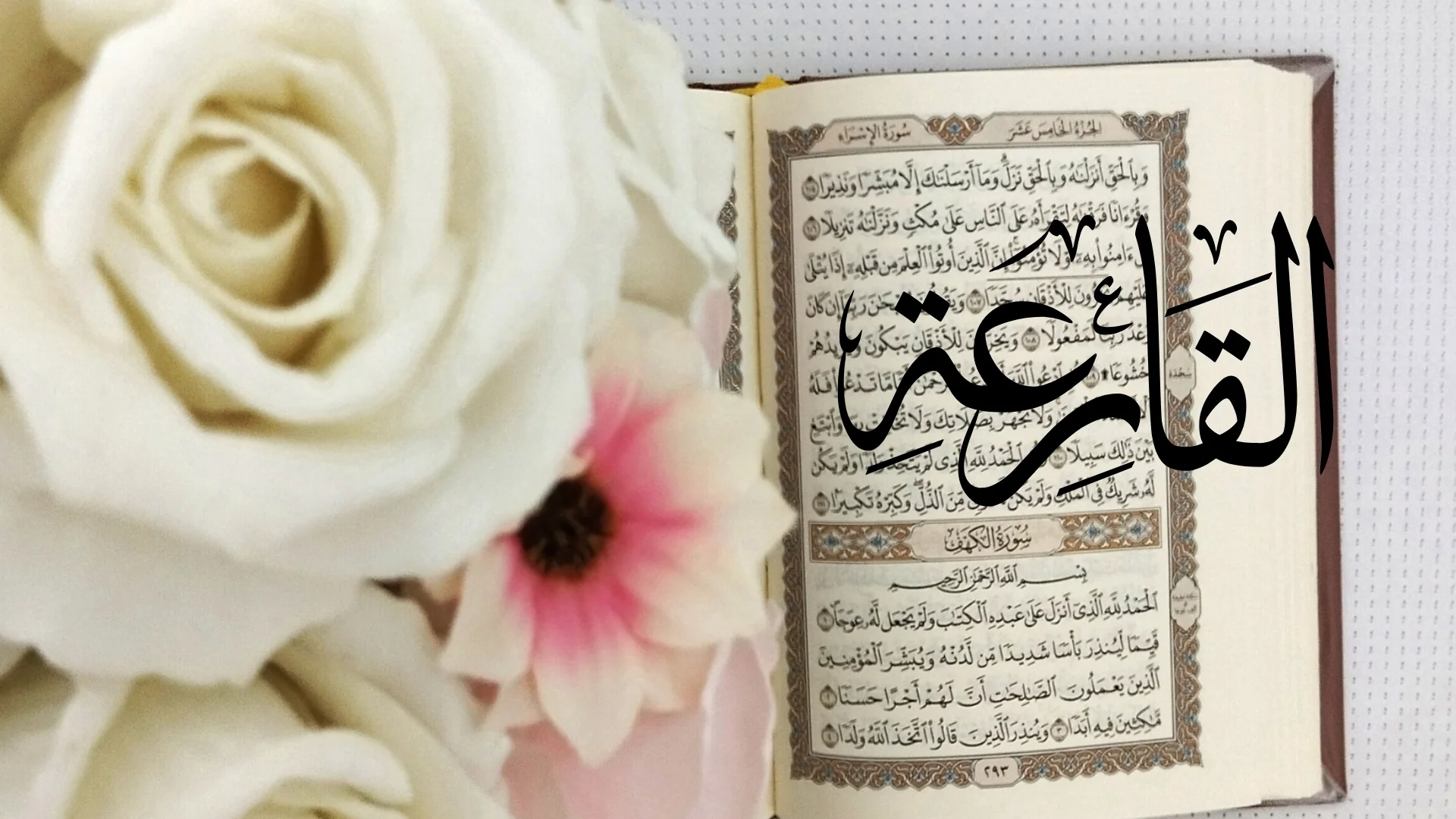
The Quran is a guide for humanity. Its chapters, or surahs, offer wisdom on life, faith, and the hereafter. Surah Al-Qariah is the 101st chapter. It is a short, powerful Meccan surah. It consists of just 11 verses. The name “Al-Qariah” translates to “The Striking Calamity.” This name points to its central theme. The Surah Al-Qariah in English describes the Day of Judgment with intense imagery. It serves as a stark reminder of accountability.
This chapter holds deep significance for Muslims. It paints a vivid picture of the end times. It emphasizes the final reckoning of deeds. The surah’s message is a call to reflect on our actions. It encourages a life of righteousness. Let us explore the meaning and lessons of Surah Al-Qariah.
What is Surah Al-Qariah?
Surah Al-Qariah is located in Juz 30, the final part of the Quran. It was revealed in Mecca. This was a period when the Prophet Muhammad and his followers faced great opposition. Meccan surahs often focus on core tenets of faith. These include the oneness of Allah (Tawhid), the reality of the Day of Judgment, and the consequences of one’s actions. Surah Al-Qariah is a prime example of this focus.
The name itself, Al-Qariah, is significant. The Arabic root “Qar” means to strike something hard, producing a loud noise. The word evokes a sense of a sudden, shocking event. It is a name for a dreadful disaster. This name is one of several used in the Quran to describe the Day of Judgment. Others include Al-Haqqah (The Reality) and As-Sakhkhah (The Deafening Blast). Each name highlights a different aspect of this monumental day. Al-Qariah emphasizes the terrifying, heart-striking nature of the event that will shake all of creation.

The Verses: A Scene of Upheaval
The surah opens with a dramatic, repetitive question. This technique builds suspense. It forces the reader to ponder the gravity of the subject.
“The Striking Calamity! What is the Striking Calamity? And what can make you know what is the Striking Calamity?” (Verses 1-3)
These opening verses set a terrifying tone. Allah Himself poses the question, then highlights its immense scope. The repetition underscores that human comprehension is limited. No one can truly grasp the full horror of this day. It suggests an event beyond all worldly experience. The purpose is to awaken a sense of awe and fear in the hearts of the listeners.
The Chaos of Creation
Following the opening questions, the surah describes the first stage of the Last Day. The world as we know it will be completely overturned.
“It is the Day when people will be like moths, dispersed, and the mountains will be like wool, fluffed up.” (Verses 4-5)
This imagery is powerful. People are compared to scattered moths. Moths fly in a chaotic, aimless manner, often drawn to their own destruction in fire. This comparison shows the state of humanity on that day. People will be in utter confusion. They will run in terror without direction. Their individual concerns and worldly attachments will vanish.
The mountains are the symbols of stability and permanence on Earth. Here, they are described as “carded wool.” Carded wool is wool that has been combed and fluffed. It becomes light and weightless. The mountains, despite their immense size and strength, will disintegrate. They will fly about like colorful tufts of wool. This imagery shows the complete collapse of the physical world. Everything that seems solid and unshakeable will be destroyed.
The Scales of Justice
After describing the cosmic upheaval, the surah shifts to the second stage. This is the moment of judgment. Humanity will stand before Allah to be judged for their deeds. The core of this judgment is the weighing of actions.
“Then as for one whose scales are heavy [with good deeds], He will be in a pleasant life.” (Verses 6-7)
The word for scales is “mawazin.” This refers to the balance where good and bad deeds are weighed. Those whose good deeds are heavier will find success. Their faith, sincerity, and righteous acts will tip the scales in their favor. The reward is a “pleasant life.” This is a life of complete satisfaction and bliss in Paradise. It is a state of eternal contentment. It is a reward far greater than any temporary happiness in worldly life.
This concept teaches an important lesson. The quality of deeds matters, not just the quantity. A small act done with pure intention can weigh heavily on the scales.
The Fate of the Heedless
The surah then presents the contrasting outcome for those who were heedless.
“But as for one whose scales are light, His refuge will be an abyss.” (Verses 8-9)
Those whose scales are light have more bad deeds than good. Their good deeds are insufficient to save them. Their disbelief, arrogance, and sins weigh down their scales of evil. And, their destination is “Hawiyah,” a deep abyss. The word “umm,” meaning mother, is used here poetically. It implies that just as a mother’s lap is a child’s refuge, this abyss will be their only home. It will be their inevitable destination.
To intensify the horror, the surah concludes by describing this abyss.
“And what can make you know what that is? It is a Fire, intensely hot.” (Verses 10-11)
Once again, a question is used to emphasize the severity of the punishment. Hawiyah is not just a pit. It is a raging fire. The Arabic term “hamiyah” signifies a fire of extreme, scorching heat. It is a fire far more intense than any fire in this world. This final verse leaves the reader with a chilling image of the consequences of a life spent in denial and wrongdoing.
Conclusion
Surah Al-Qariah is not just a description of a future event. It is a profound moral lesson for the present. Its power lies in its simplicity and its vivid, impactful imagery. The surah provides a complete narrative of the end times in just a few short lines. It shows the destruction of the world, the judgment of humanity, and the final destinations of heaven and hell.
The unique conclusion one can draw is that Surah Al-Qariah is a personal audit. It does not just speak of a collective doom. It speaks directly to the individual. The weighing of the scales is a personal affair. “His scales,” “He will be,” “His refuge.” The language is singular. It forces you to ask: “What about my scales? Will they be heavy or light?” This chapter transforms a distant cosmic event into an immediate, personal concern. It reminds us that our daily choices, our small acts of kindness, and our sincere repentance are the weights we place on our own scales. The Striking Calamity is an eventual reality, but our preparation for it is a choice we make every single day.


