
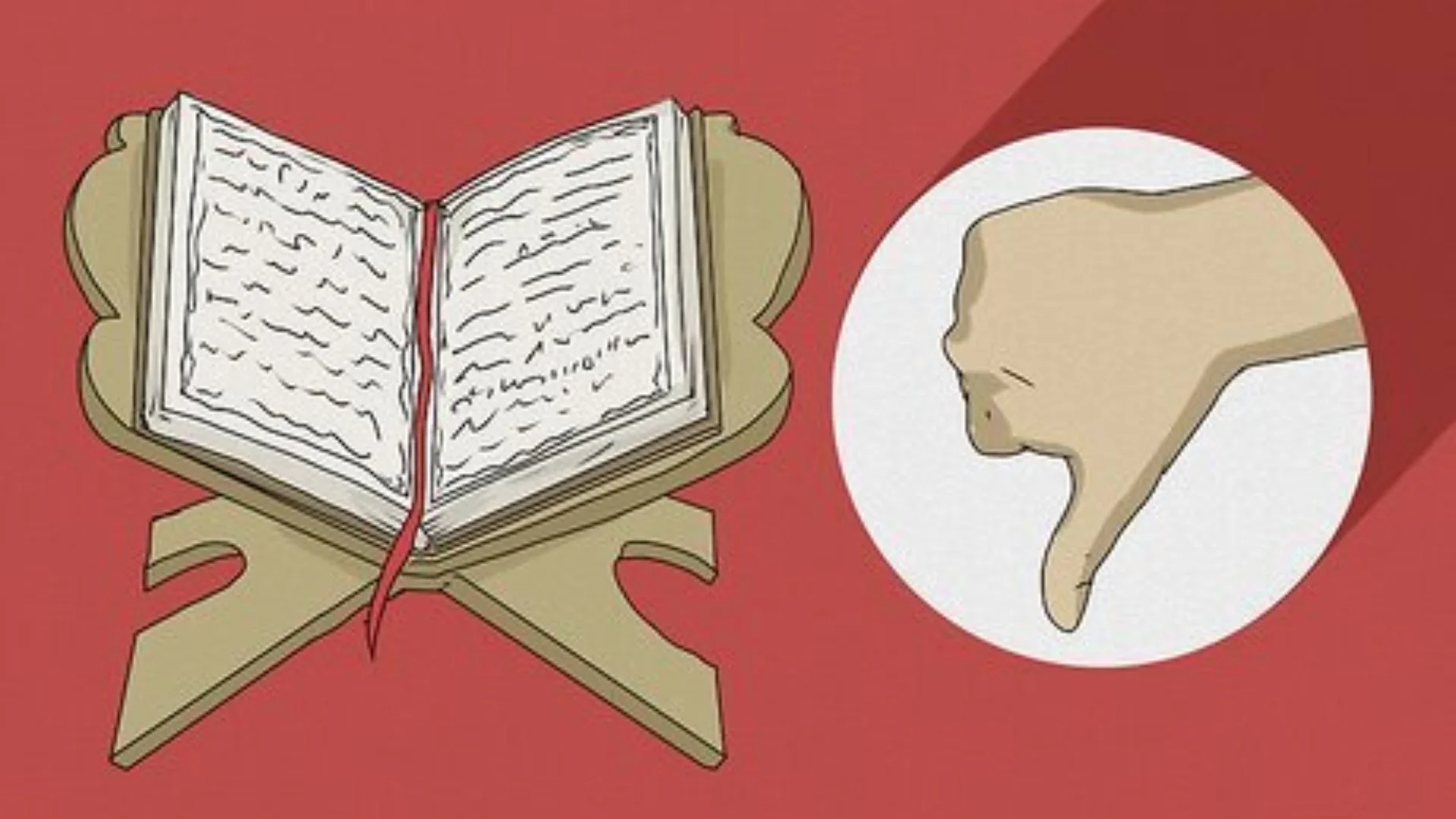
Islam provides a full-fledged lifestyle guide. This manual divides activities into two broad categories. One of them is Halal, which means permitted. The other is the Haram in Islam or taboo. Knowledge of Haram is an essential aspect of the religion of a Muslim. It shapes daily choices. It leads an individual in a righteous direction. However, it is not simply a concept of rules. It concerns leading a life that will be a delight to Allah and that will be in society.
Haram has two major sources of its principles. The former is the Quran, which is a holy book of Islam. The second is the Sunnah, or the teachings and practices of Prophet Muhammad (peace be upon him). These are sources that present a clear definition of prohibitions. Adherence to these rules assists Muslims in being spiritually pure. It creates a mentally aware and disciplined way of life.
This paper will discuss the concept of Haram. We will look at its meaning. We will consider the examples of other spheres of life. Its spiritual significance will be discussed. Lastly, we shall offer precautions to prevent prohibited activities. It is aimed at bringing this information to a straightforward manner.
Understanding the Meaning of Haram
Haram is an Arabic word. It refers to prohibited or forbidden. When applied in Islamic law or Sharia, it means any act or object, or policy that Allah has specifically prohibited. It is a sin to practice a Haram act. To safeguard their religion and their welfare, Muslims should not do these things. The Quran is categorical on the difference. It is written, They question you of intoxicants, of gambling. Say, in them there is great sin and [yet] good to people. But their evil is more than their good. This verse demonstrates that Haram things are somewhat detrimental in the long run.
Islamic jurisprudence has five classifications of human practices. These are referred to as al-Ahkam al-Khamsa.
- Fard/Wajib: The obligatory or compulsory acts.
- Mustahabb: recommendable or desirable acts.
- Mubah: Acts which are permissible or neutral.
- Makruh: Things that are detested or discouraged.
- Haram: Sinful or prohibited things.
The heaviest form of prohibition is haram. Haram is something that is still prohibited. Haram act becomes permissible not because of a good intention. This doctrine underscores the divineness of the divine law.
There are two types of Haram. The former is al-haram fi dhatihi. This is the prohibition of something due to its own nature. These can be theft or murder. The acts are detrimental in nature. The second one is al-haram li-ghayrihi. The very act may be legal, such as a sale. The sale is considered Haram in case it is made during the prayers of Friday. This is as it distracts from an obligatory act of worship.

Examples of Haram in Daily Life
Haram is a concept that encompasses every part of the life of a Muslim. It does not only exist in a single location. It gives a guideline on ethical and moral conduct, both personally and socially.
Food and Drink
Islamic food laws are fairly familiar. Some food and beverages are strictly Haram.
- Pork: The Quran prohibits the eating of pork and its by-products. (Quran 5:3). This encompasses such items as pig-derived gelatin.
- Blood: One should not drink running blood.
- Alcohol and Intoxicants: All types of intoxicants that cloud the mind are Haram. These are alcohol and recreational drugs. (Quran 5:90).
- Mishandled Slaughtered Animals: It is prohibited to eat the meat of an animal that was not slaughtered properly.
Financial Transactions
Islam provides the specific ethical rules in business and finance.
- Riba (Interest): It is Haram to earn or pay interest. The Islamic religion does not allow any cheating that will yield returns without taking the risk. This system is regarded as exploitative. (Quran 2:275).
- Gambling (Maisir): All gamut of gambling is prohibited. It is the acquisition of wealth as a result of fortuitousness rather than hard work.
- Dishonest Deeds: In business, the most important sins are cheating, bribery, stealing, and fraud. Islamic economics is based on fair and honest trade.
Individual Behaviour and Interpersonal Relationships.
Moral conduct is one of the major themes in Islam. There are some acts and associations that are defined as Haram.
- Zina (Unlawful Sexual Intercourse): Adultery and fornication are highly unethical.
- Dishonoring Parents: It is a basic obligation to respect parents. It is a great sin to curse them or disrespect them.
- Slander and Gossip: It is Haram to talk badly about other people, to backbite, and gossip. The Quran provides warnings on such speech. (Quran 49:12).
- Shirk (Idolatry): Shirk is the biggest sin in Islam. It is the act of relating partners with Allah or worshiping other things than Allah. It goes against the very essence of Tawhid (the oneness of God).
Clothing and Adornment
One of the major virtues in Islam is modesty. Some form of clothing and decoration is haram.
- Men’s Clothing: Men are not allowed to wear pure gold and silk. This principle promotes meekness and shuns a lavish life.
- Indecent Clothing: Men and women should dress decently, covering their bodies. It is not allowed to wear transparent or too revealing clothes.
- Physical Changes: It is usually Haram to change the physical creation. This may involve tattoos or cosmetic surgeries that are done out of vanity.
The Significance of Avoiding Haram
The reason not to Haram is not in obeying a list of forbidden things. It is a significant submission and faith in Allah. It shows how a Muslim believes in the supreme intelligence. The bans are there to the advantage of people and society. They guard faith, life, intellect, family, and wealth.
A Haram life gives peace in the spirit of living a Halal life. It purifies the soul. It enhances the bond of an individual with his/her Creator. Halal, master, Haram, master, said the Prophet Muhammad (peace be upon him). Contrary to them are uncertain issues that not many people know. So he that shuns dubious things purges himself as to his religion, and his honour. (Sahih Bukhari). This is a hadith that teaches Muslims to be wary and avoid anything that can predispose them to sin.
The consequences of engaging in Haram are serious. They affect a person’s spiritual state in this life. They also impact their standing in the hereafter. Actions have weight. Avoiding the forbidden is essential for a positive outcome.
How to Avoid Haram
Staying away from Haram requires conscious effort and commitment.
Find Knowledge
The initial step is to acquire knowledge. Learn the Sunnah and the Quran. Know what is Halal, what is Haram. According to the Quran, the Prophet said, And say, My Lord, increase me in knowledge. (Quran 20:114).
Consult Scholars
In the absence of information, consult reliable and well learned Islamic scholars. They can bring out clarity to complicated matters.
Learn to Be Mindful
You need to be conscious of your daily actions and decisions. Consider whether they are in line with Islamic teachings. This self-knowledge is one of the worships.
Select Good Company
Fill your surroundings with righteous people. It may be easier to remain on the right track in a favorable environment.
A Way Of Prudence and Safety.
Knowledge of Haram does not involve the perception of Islam as a religion of restrictions. It is regarding belief in it as a way of knowledge and desecration. The limits imposed by Allah are a favour. They protect us against the spiritual, physical, and social evil. Every prohibition is an end in itself. Prohibition interests stop economic exploitation. Prohibition of intoxicants saves the psyche and the health of people. The prohibition of illegal relationships is a way to save the family.
The ability to live within these limits of divineness is free will. It is the liberation from self-desire enslavement. Therefore, it is the liberation of the pernicious societal tendencies. It is a decision to lead a flawless life with an ideal moral compass. The path of escaping Haram is the path of leading a purer, fairer, and more meaningful life that results in final success in this world and life after.


